

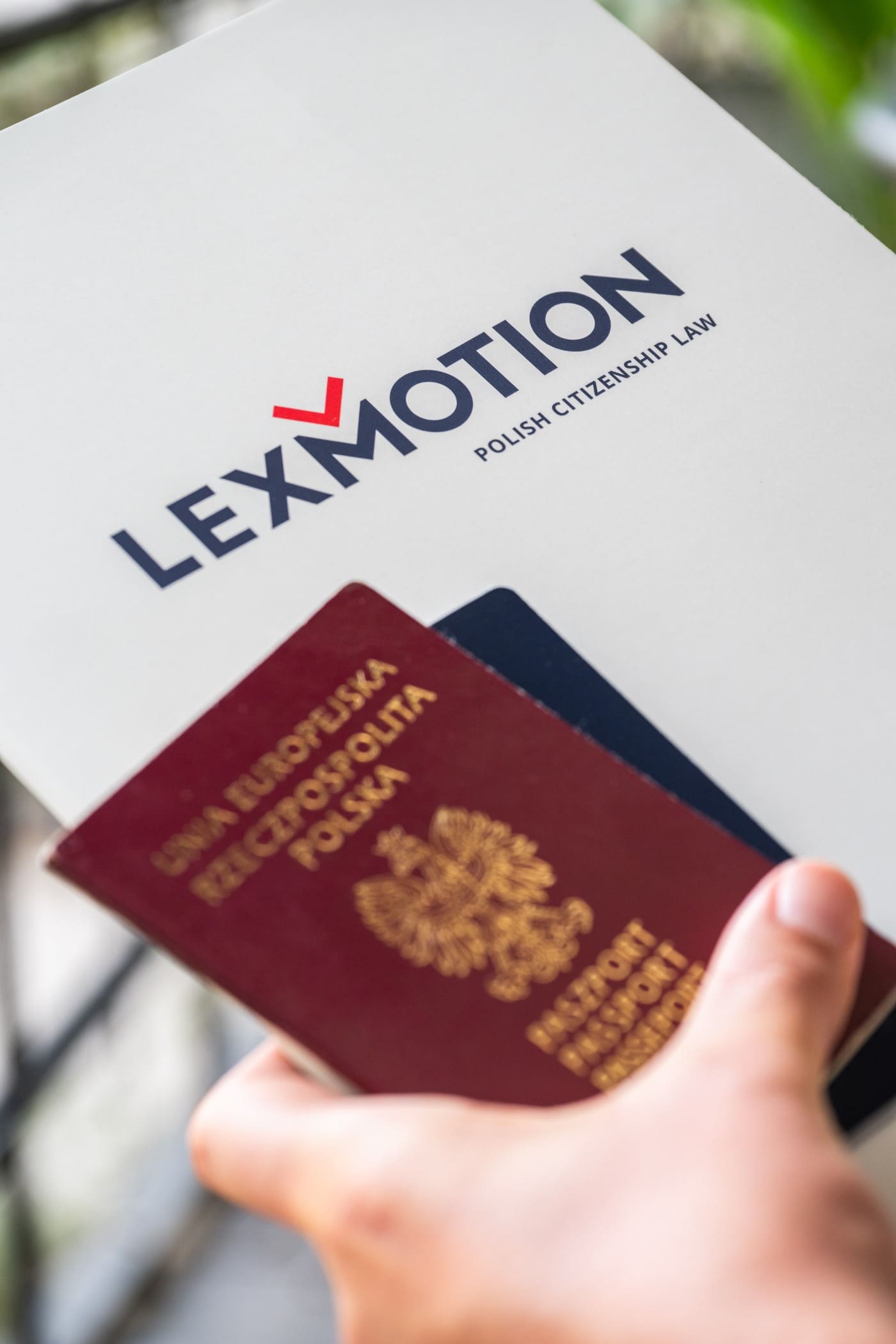
Dual citizenship is becoming increasingly popular in a globalizing world.
People with dual citizenship can move freely between them, have access to healthcare, education and work systems in both countries, and can also benefit from diplomatic protection from both countries.
For those considering or having Polish roots, Polish dual citizenship is an investment in the future that can significantly increase security and comfort of life.
The Polish passport is one of the strongest in the world, allowing visa-free travel to 176 countries on different continents, which further increases the benefits of having Polish citizenship.
In this article, I will explain what dual citizenship is, whether Polish law allows it, and what are the advantages of having dual citizenship.

The Polish passport is one of the strongest in the world, allowing visa-free travel to 176 countries on different continents, which further increases the benefits of having Polish citizenship.
In this article, I will explain what dual citizenship is, whether Polish law allows it, and what are the advantages of having dual citizenship.
Key Takeaways
Whether you have a team of 2 or 200, our shared team inboxes keep everyone on the same page and in the loop.
- Confirm your eligibility for Polish citizenship by descent with our free online test
- Gather all the necessary documentation
- Gather all the necessary documentation
What is dual citizenship?
Dual citizenship – also known as multiple citizenship – means that a person is a legal citizen of two or more countries at the same time.
This person has both the rights and obligations of citizenship of each country.
This brings many benefits, including:
- Freedom to travel: A person with dual citizenship can travel and settle in both countries without having to apply for visas or residence permits.
Access to social rights: The ability to benefit from the healthcare, education and other social benefits systems of both countries. - Electoral rights: The right to vote in elections and participate in the political life of both countries.
- Professional opportunities: Wider employment and business opportunities in both countries.
You can find out more about the benefits of Polish citizenship in the EU in our article Benefits of Polish citizenship.
Does Polish law allow dual citizenship?
Polish law allows for dual citizenship, providing full citizenship rights and obligations.
People who want to obtain Polish citizenship and already have another citizenship do not have to give up their original citizenship.
The procedure for obtaining Polish citizenship is regulated by the provisions of the Polish Citizenship Act, which was amended in 2012. This amendment introduced more flexible rules, allowing for obtaining Polish citizenship without having to give up another citizenship.
It is important to note that Poland does not recognize dual citizenship for the purposes of confirming identity to Polish authorities.
More specifically, the Polish government requires Polish citizens – even those with dual citizenship – to use Polish identification when dealing with Polish authorities.
This primarily concerns the use of Polish passports instead of passports from another country.
In the past, this was commonly referred to as the “Polish passport trap”.